
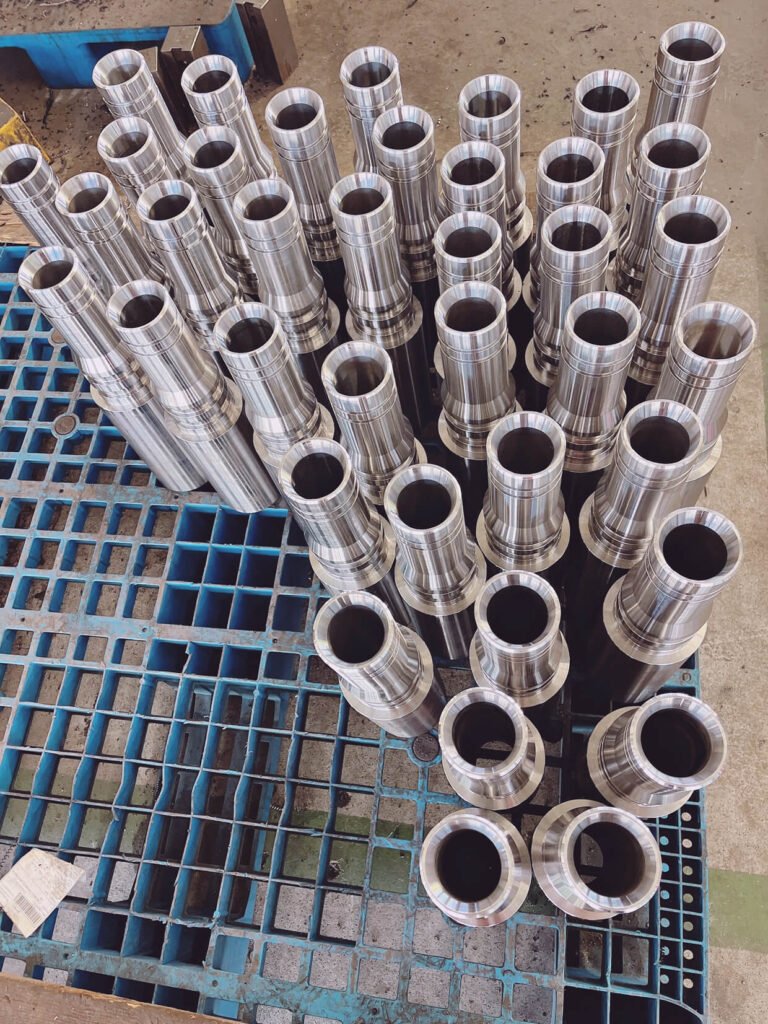
Imagine trying to drink a milkshake with a flimsy, leaky straw. Frustrating, right? Now, picture doing that from a mile underground, under pressures that could crush a submarine, and temperatures that bake cookies in minutes. That, in a nutshell, is the monumental challenge of extracting oil and natural gas—and it’s solved by one of engineering’s most crucial yet overlooked marvels: OCTG, or Oil Country Tubular Goods.
These aren’t your average pipes. They are the reinforced, high-tech lifelines of the entire energy industry. Without this specialized tubular steel, drilling a well would be like building a skyscraper without a steel frame—utterly impossible. From the moment the drill bit first bites into the earth to the final day a well produces energy, OCTG is there, standing guard against unimaginable forces. This article will pull back the curtain on these unsung heroes. We’ll journey through what they are, how they’re made, the sheer engineering genius behind them, and why getting them right isn’t just a matter of efficiency, but of safety and environmental stewardship. So, let’s dive in and get to the heart of the matter.
Defining the Backbone: What is OCTG?
Alright, let’s start with the basics. What is OCTG? The acronym stands for Oil Country Tubular Goods. In plain English, it refers to all the heavy-duty, seamless steel pipes and the connections that join them, used for drilling and completing oil and gas wells. Think of a well not as a hole, but as a meticulously engineered structure built inside the earth. OCTG forms the skeleton of that structure.
If you’ve ever seen a picture of an oil rig, the long, vertical pipes you see stacked up are part of the OCTG family. They perform three life-or-death functions for a well: they provide structural integrity to prevent the hole from collapsing, they isolate high-pressure zones and groundwater from each other, and they create a secure conduit for oil and gas to flow to the surface. The main members of this family are:
- Casing: These are the large-diameter pipes that get cemented in place to line the wellbore. They’re the primary structural element, like the foundation and walls of a building.
- Tubing: This is the smaller-diameter pipe run inside the casing. It’s the “production straw” through which the hydrocarbons actually flow to the surface.
- Drill Pipe: This is the rotating, heavy-weight pipe that transmits power and drilling fluid to the drill bit far below. It takes a brutal beating during drilling.
Getting a handle on OCTG is the first step to appreciating the hidden complexity of every barrel of oil or cubic foot of gas that powers our world. It’s a world of precision, strength, and relentless innovation.
A Journey Through Time: The Evolution of OCTG
The story of OCTG is really the story of our quest to reach deeper and more challenging reservoirs. It’s a tale of ingenuity rising to meet necessity. In the very early days of the oil industry—think Drake’s well in 1859—drillers often used whatever was at hand, sometimes even wooden pipes! Obviously, that didn’t work for long, and wrought iron or basic steel tubes quickly became the standard.
The real game-changer was the development of seamless pipe in the late 19th century. Before this, pipes had welded seams that were weak points under extreme pressure. Seamless technology, where a solid steel cylinder is pierced and rolled into a pipe, created a uniform, strong tube with no vulnerable seam. This was a quantum leap for the industry. Then came the standardization spearheaded by the American Petroleum Institute (API), which began in the 1920s. For the first time, a driller in Texas could order pipe with specific, guaranteed properties from a mill in Pennsylvania, and know it would fit and perform. This interoperability was huge.
The mid-20th century saw the birth of high-strength alloys to reach deeper, hotter, more pressurized reservoirs. The introduction of grades like N-80 and P-110 provided much greater yield strength. But the challenges kept coming, especially from corrosive “sour” gas wells containing hydrogen sulfide. This nasty stuff can cause pipes to crack catastrophically. The answer? Advanced Corrosion Resistant Alloys (CRAs), blending chromium, nickel, and molybdenum with steel. Today, we’re in an era of “premium” or “special” grades—pipes engineered with exotic metallurgy and advanced heat treatments for specific, hellish downhole conditions. From wood to space-age alloys, the evolution of OCTG is a direct map of the oil and gas industry’s daring progress.
Engineering Marvels: Key Components and Their Critical Roles
Let’s meet the key players on the OCTG team. Each has a specialized role, and together, they function like a perfectly coordinated unit to tame a wild well.
First up, the heavyweights: Casing. This isn’t one single string of pipe, but a series of concentric layers, each with a mission. The journey starts with Conductor Casing. It’s the first pipe set, usually not very deep, and its job is simple but vital: stop the soft surface soil from caving in and provide a conduit for drilling mud to return. Next comes Surface Casing. This one is critical for environmental protection. It’s run deeper and cemented solidly in place to isolate and protect freshwater aquifers from any contamination from deeper down. Then we have Intermediate Casing. This string isolates problem zones like unstable rock formations or high-pressure pockets that could cause a blowout. Finally, the last layer is the Production Casing (or Liner). This is the last line of defense, running all the way to the total depth of the well. It provides a final, secure path for hydrocarbons to reach the tubing.
Speaking of which, Tubing is the workhorse of production. It’s suspended inside the production casing on a specialized packer. Because it handles the flow, it needs to resist corrosion and erosion from the produced fluids. It’s also the part that’s most frequently pulled out and replaced during a well’s life for maintenance. And we can’t forget the Drill Pipe. This is the athlete of the group, enduring tremendous torsion, tension, and abrasion as it turns the drill bit. It’s hollow to allow drilling “mud” to pump down and cool the bit and carry rock cuttings back up. Each joint is a masterpiece of balanced strength and durability.
Forged in Fire: The Rigorous OCTG Manufacturing Process
Creating a pipe that can survive miles underground is no simple feat. It’s a symphony of metallurgy, physics, and precision engineering. The process typically starts with a solid cylindrical piece of high-quality steel called a “billet.” There are two main roads from billet to pipe: seamless or welded.
The seamless process is the more common for high-pressure OCTG. The billet is first heated to a glowing, malleable temperature. It’s then pierced through the center by a giant mandrel—imagine pushing a thick rod through a very hot stick of clay to create a hollow tube. This “rough” pipe is then stretched, rolled, and reduced to the precise diameter and wall thickness required. The welded process, used for some larger diameter casing, involves rolling a steel plate into a cylinder and then fusing the seam with immense heat, often using an electric current. The weld is then meticulously inspected and often heat-treated to ensure it’s as strong as the parent metal.
But making the shape is only half the battle. Heat treatment is the magic that gives the pipe its strength and toughness. Processes like quenching (rapid cooling) and tempering (reheating to a lower temperature) transform the steel’s internal microstructure, tailoring its yield strength, hardness, and impact resistance to meet specific API or proprietary grades. The final, crucial step is threading. The ends of each pipe joint are cut with incredibly precise threads—often complex, tapered, and multi-start designs. To ensure a perfect, pressure-tight seal, metal rings called premium connections are often welded onto the ends. These connections are a high-tech world unto themselves, designed to maintain seal integrity even under bending and pressure fluctuations. Every step is monitored; every inch is inspected with ultrasonic, electromagnetic, and visual tests. A single flaw? The pipe is rejected. In this business, “good enough” is a recipe for disaster.
The Language of Strength: Grades, Specifications, and Standards
Walk onto a rig floor or into a pipe yard, and you’ll hear what sounds like a secret code: “We need 9-5/8”, 53.5 lb/ft, L-80, with a VAM® TOP connection.” For insiders, this sentence paints a complete picture of the pipe’s size, weight, strength, and connection type. Let’s crack this code.
The most common language is the API grade system. It’s a letter-and-number designation that primarily indicates the pipe’s minimum yield strength—the point at which it will permanently deform. For example:
- H-40: 40,000 psi yield strength (a lower-strength pipe for shallow wells).
- J-55: 55,000 psi.
- N-80: 80,000 psi (a very common, all-purpose grade).
- P-110: 110,000 psi (for high-pressure applications).
- Q-125: 125,000 psi (a high-strength grade for extreme depths).
The letter can also indicate special properties. “L” means it’s suitable for sour service (L-80), and “C” means it’s designed for high collapse resistance (C-95, C-110). But the API system is a baseline. For the most challenging wells, operators turn to proprietary grades from manufacturers. These have names like Super 13Cr, 28Cr, or VM-80SS. They offer enhanced performance—superior corrosion resistance, higher collapse ratings, or improved toughness—that goes beyond the API minimums. Specifying the right grade is a careful balancing act between the well’s anticipated conditions, safety margins, and cost. Using pipe that’s too weak is dangerous, but using over-specified, ultra-expensive alloy is wasteful. It’s here that engineering expertise truly shines.
Conquering the Extreme: OCTG in Harsh Downhole Environments
So, what exactly are these pipes fighting against down there? The downhole environment is one of the most hostile places on Earth for man-made materials. First, there’s colossal pressure. A string of casing can have to support its own immense weight while containing internal pressures of 10,000 psi or more and resisting external “collapse” pressure from the surrounding rock. Then there’s corrosion—a silent killer. Produced fluids can be a cocktail of saltwater (brine), carbon dioxide (which causes sweet corrosion), and the aforementioned hydrogen sulfide (sour corrosion), which can lead to sulfide stress cracking. High temperatures in deep wells can soften steel and accelerate corrosion. Finally, the mechanical wear from running the pipe in and out of the hole, or from sand production, causes erosion.
The OCTG industry’s response to these challenges is nothing short of heroic. For high-pressure, deep wells, we use thick-walled, high-collapse casing with special heat treatments. For corrosion, it’s all about the metallurgy. Carbon steel with protective coatings works for milder conditions. For more aggressive wells, 13% Chromium (13Cr) steel is a common choice, offering good resistance to CO2. When things get really sour and salty, nickel-based Corrosion Resistant Alloys (CRAs) like 25Cr super duplex or alloy 28 are deployed. These materials are incredibly expensive but are the only thing that stands up to the assault. Furthermore, engineers design wells with cathodic protection (sacrificial anodes) and specify inhibitor chemicals that can be pumped down to coat and protect the pipe’s interior. It’s a multi-layered defense system, with OCTG as the final, physical barrier.
The Unsung Hero: Why Premium OCTG is a Smart Investment
Here’s a hard-won piece of wisdom from the field: skimping on OCTG is the most expensive mistake you can make. It’s tempting to see it as a commodity—just steel pipe—and go for the lowest bid. But that’s a short-term view with potentially catastrophic long-term consequences. Investing in high-quality, often “premium” OCTG is a brilliant strategic decision for safety, economics, and the environment.
Think about the cost of a failure. A leak in production tubing means lost revenue and a costly workover to pull and replace it. A failure in intermediate casing could lead to an underground cross-flow, destabilizing the well. A catastrophic collapse or burst could mean losing the entire well—a multi-million dollar asset gone. The cost of the pipe is a fraction of the total well cost, but it protects everything. Premium OCTG, with its tighter tolerances, superior metallurgy, and robust connections, drastically reduces the risk of such failures. It extends the well’s productive life, allows for more aggressive production methods, and reduces the frequency of expensive interventions.
Furthermore, in today’s world, the environmental and social license to operate is paramount. A well integrity failure that leads to groundwater contamination or a surface release is a disaster for a company’s reputation and regulatory standing. High-integrity OCTG is the cornerstone of well integrity. It’s not just a piece of equipment; it’s an insurance policy for the entire operation, protecting capital, people, and the planet. When you look at it through the lens of Total Cost of Ownership, the premium paid upfront pays for itself many times over in reliability and peace of mind.
Drilling Deeper, Going Greener: The Future of OCTG Technology
The OCTG story isn’t stuck in the past; it’s racing into an exciting future. As the energy industry evolves, so do its fundamental tools. One fascinating frontier is digitalization. Imagine “smart” OCTG with embedded fiber-optic sensors or RFID tags. These pipes could continuously report real-time data on temperature, pressure, strain, and corrosion from deep within the well. This isn’t science fiction; it’s being tested now. This data would allow for predictive maintenance, optimized production, and a much deeper understanding of reservoir behavior.
Material science continues to push boundaries. Researchers are working on nanostructured steels and hybrid composites that promise even greater strength-to-weight ratios and corrosion resistance, potentially unlocking previously unreachable reservoirs. But perhaps the most promising trend is OCTG’s role in the energy transition. The same technology that taps fossil fuels is essential for geothermal energy, which requires drilling into hot rock. High-temperature OCTG is critical for that. It’s also vital for Carbon Capture and Storage (CCS), where captured CO2 is injected deep underground for permanent storage. The wells and pipes used must contain the CO2, often in a supercritical state, for millennia without leaking. The expertise in high-pressure, corrosion-resistant well construction from the oil and gas sector, built on OCTG, is directly transferable to these green technologies. So, the future of OCTG is not just about fossil fuels; it’s about becoming the enabling hardware for a broader, lower-carbon energy portfolio.
OCTG: Selecting the Right Pipe for the Job
So, with all these options, how does an engineer choose? Selecting OCTG is a multidisciplinary puzzle. It starts with a meticulous well design. Engineers model the expected pore pressures, fracture gradients, rock stresses, and chemical composition of the formation fluids all along the planned well path. This design dictates the required pressure ratings, collapse strengths, and corrosion resistance for each section of the well.
The selection process then matches these requirements to available pipe. Factors include: Diameter and Weight (based on hydraulic calculations and clearance needs), Steel Grade (balancing strength, ductility, and corrosion resistance), and the all-important Connection Type (a premium connection is often specified for the production string where seal integrity is paramount). Regulatory standards, such as those requiring sour service grades in certain formations, are non-negotiable. Finally, it hinges on partnering with a trusted supplier. A supplier with deep technical expertise can advise on the optimal solution, not just the cheapest one. They provide full traceability (knowing the melt history of your steel is crucial) and have a robust quality assurance program. It’s a decision made with blueprints, data sheets, and a hefty dose of experienced judgment. For a deeper dive into industry standards and specifications, you can refer to resources from the American Petroleum Institute.
FAQs About Oil Country Tubular Goods
What’s the main difference between casing, tubing, and drill pipe?
Casing is the large, cemented pipe that lines the wellbore for structure and isolation. Tubing is the smaller, retrievable pipe inside the casing that carries the oil and gas to the surface. Drill pipe is the heavy, rotating pipe used only during the drilling phase to transmit power to the bit.
Why is some OCTG so much more expensive than others?
Cost is driven by metallurgy, manufacturing complexity, and connection technology. Basic carbon steel API pipe is relatively affordable. Pipe made with high percentages of chromium, nickel, or molybdenum (CRAs) costs significantly more due to raw material prices and specialized processing. Premium threaded connections also add cost but provide critical sealing performance.
Is OCTG a sustainable product?
Modern OCTG is 100% recyclable steel. At the end of a well’s life, pipes can be and often are recovered, inspected, and either reused in another well or sent to a mill for recycling. The industry is focused on maximizing the longevity and recyclability of these materials.
How do you inspect OCTG before it goes in the hole?
Every new joint undergoes rigorous inspection at the mill and again at the pipe yard. This includes visual checks for defects, dimensional gauging of the body and threads, non-destructive testing like ultrasonic (for wall thickness and flaws) and electromagnetic inspection. Used pipe is inspected even more carefully for wear, corrosion, and thread damage.
What is the single most important factor in selecting OCTG grade?
There’s no single factor, but a critical one is accurately defining the service environment—especially the presence of H2S (sour gas) and CO2. An error here can lead to selecting a grade vulnerable to cracking or rapid corrosion, which compromises the entire well’s integrity.
Can standard OCTG be used for geothermal or carbon storage wells?
The core principles apply, but the requirements can be even more stringent. Geothermal wells need grades that withstand higher temperatures and thermal cycling. CCS wells need exceptional seal integrity and corrosion resistance to wet CO2 for centuries. Specialized OCTG grades are being developed for these exact applications.
Conclusion: The Steel Pulse of Global Energy
From the first primitive wells to the sprawling, high-tech operations of today, OCTG has been the constant, steadfast enabler. It is the silent partner in every barrel, the unyielding guardian of every wellbore. Understanding what is OCTG reveals a world of sophisticated engineering, relentless quality control, and strategic innovation that operates far from the public eye, yet underpins so much of modern life. It’s a story of materials science conquering extreme environments, of standardization enabling global industry, and of foresight investing in long-term safety and performance.
As we look to an energy future that will still rely on hydrocarbons for decades while rapidly embracing geothermal and carbon storage, the role of Oil Country Tubular Goods will only become more complex and more vital. The lessons learned in the fiery depths of oil and gas wells are directly applicable to building the secure, clean energy systems of tomorrow. So, the next time you fuel your car or heat your home, remember the incredible journey that energy made—and the magnificent steel tubes that made it possible. They truly are the unsung, steel pulse of global energy.